Introduction: Why Chips Have Become the New Oil
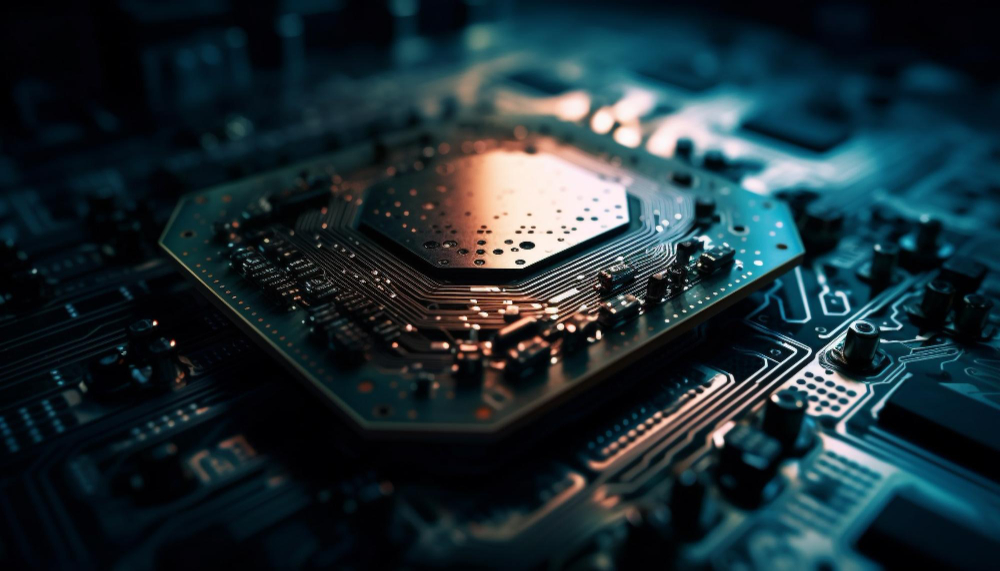
In 2026, artificial intelligence dominates headlines, but beneath every AI breakthrough lies a less visible yet far more decisive component: advanced semiconductor chips. These tiny pieces of silicon now sit at the heart of economic power, national security, and technological leadership. As demand for AI accelerates, AI chips have become the most strategic resource of the digital age.
This reality has fueled what many analysts describe as a global semiconductor war. Nations are racing to secure chip supply chains, control manufacturing capabilities, and reduce dependence on foreign technology. In this contest, dominance is measured not by software alone, but by access to advanced hardware capable of powering next-generation AI systems.
Why AI Chips Are Different from Traditional Semiconductors
Not all chips are created equal. AI workloads require specialized processors designed to handle massive parallel computations at high speed and low power consumption. These chips are optimized for machine learning training and inference, making them fundamentally different from traditional CPUs.
In AI Chips 2026, performance is no longer just about clock speed. Memory bandwidth, energy efficiency, and scalability have become critical factors. As AI models grow larger and more complex, only the most advanced chips can support them efficiently. This has elevated AI processors from commercial products to strategic assets.
The Semiconductor Supply Chain Bottleneck
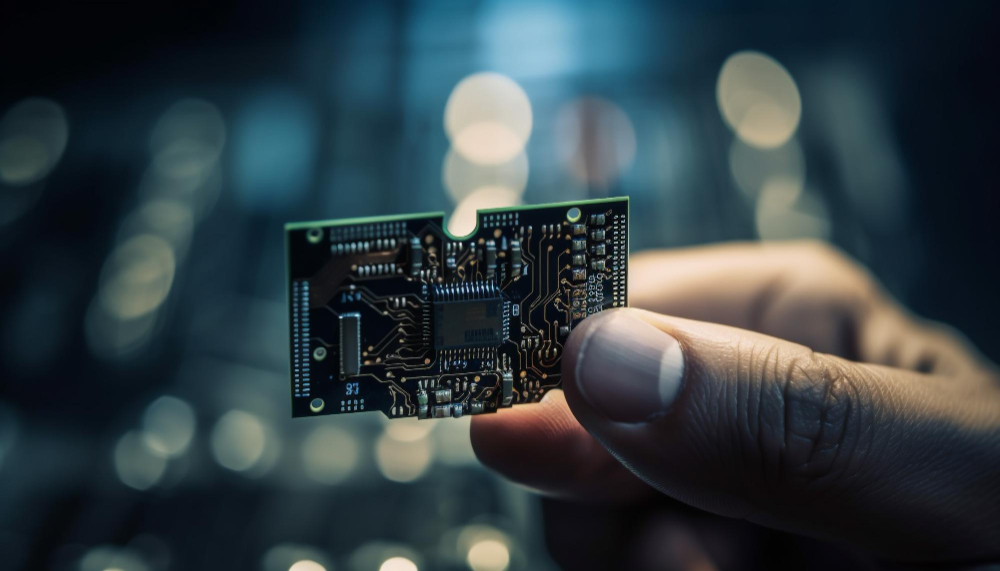
One of the defining features of the semiconductor war is the fragility of the global supply chain. Chip production depends on a highly specialized ecosystem involving design, fabrication, equipment, and materials often spread across multiple countries.
Advanced semiconductor manufacturing requires cutting-edge fabrication facilities that cost billions of dollars and take years to build. As demand for AI chips surges, capacity constraints have become a major concern. In 2026, governments and corporations alike recognize that supply chain disruptions can stall entire industries.
This vulnerability has prompted aggressive efforts to localize chip production and diversify sourcing.
Geopolitics and the Weaponization of Chips
The semiconductor industry has become deeply entangled with geopolitics. Export controls, trade restrictions, and technology alliances are increasingly used to influence access to advanced chips. In this environment, semiconductors function not just as commercial goods, but as instruments of strategic leverage.
From a journalistic perspective, the semiconductor war mirrors earlier struggles over energy and rare resources. Control over AI chips translates into influence over defense systems, financial markets, and emerging technologies. As a result, chip policy has moved from trade departments to national security councils.
Economic Power and Industrial Strategy
AI chips sit at the center of industrial competitiveness. Countries that can design, manufacture, and deploy advanced processors gain an advantage across multiple sectors—from cloud computing and robotics to healthcare and defense.
In 2026, governments are pouring public funds into semiconductor initiatives, viewing them as long-term investments in economic sovereignty. These efforts aim to strengthen domestic capabilities while reducing reliance on external suppliers.
For businesses, access to AI chips determines the pace of innovation. Companies with secure chip supply can scale AI faster, while others risk falling behind.
Energy, Efficiency, and Sustainability Challenges
As AI adoption grows, so does its energy footprint. Data centers running AI workloads consume enormous amounts of power, raising concerns about sustainability. This has pushed chipmakers to focus on energy-efficient designs that deliver more performance per watt.
In AI Chips 2026, efficiency is no longer optional it is a requirement. Advanced chips must balance raw computing power with environmental responsibility. Journalists increasingly highlight the tension between AI growth and climate commitments, placing semiconductors at the center of the debate.
Innovation at the Edge and Beyond the Data Center
While much attention focuses on data center AI chips, edge devices are also driving demand for specialized processors. Smartphones, vehicles, industrial machines, and defense systems require AI capabilities without constant cloud connectivity.
This diversification of use cases is expanding the semiconductor landscape. Edge AI chips must be compact, power-efficient, and capable of real-time processing. Their proliferation further intensifies competition across the chip ecosystem.
Talent, Capital, and the Long-Term Bet
Building leadership in semiconductors is a long-term endeavor. It requires highly skilled engineers, sustained investment, and stable policy support. Unlike software, where innovation cycles are short, chip development spans years.
In 2026, the semiconductor war is as much about talent and capital as it is about technology. Nations that fail to invest consistently risk losing relevance in the AI-driven economy.
Risks of Fragmentation and Technological Blocs
As countries pursue self-reliance, there is growing concern about fragmentation in the global technology landscape. Competing standards, restricted supply chains, and geopolitical tensions could slow innovation and increase costs.
From an international media viewpoint, this fragmentation represents one of the biggest risks of the semiconductor war. Balancing national security with global collaboration remains a delicate challenge.
Conclusion: The Invisible Backbone of AI Power
AI chips may be invisible to most users, but their impact is profound. In 2026, they form the backbone of artificial intelligence, digital economies, and strategic power. The semiconductor war is not a future scenario it is unfolding now, shaping who leads and who follows in the next era of technology.
As AI continues to expand, the importance of chips will only grow. The nations and companies that secure this foundation will define the trajectory of innovation for decades to come.