
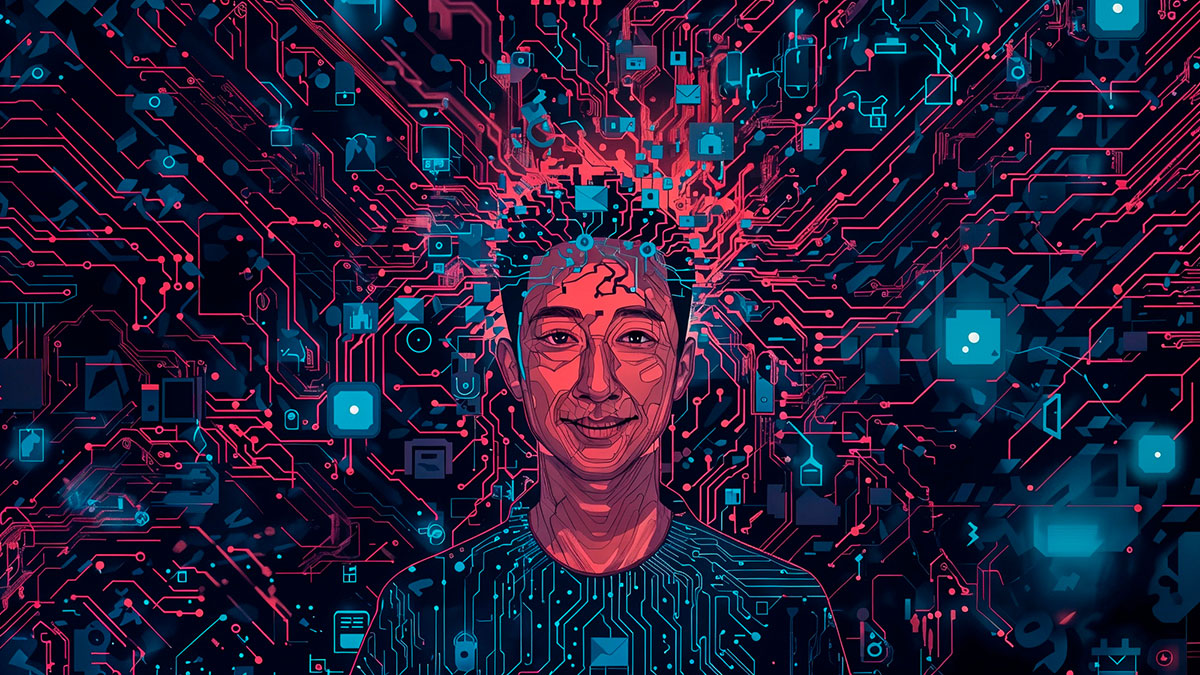
Introduction: The Moment AI Crossed a Critical Threshold
By 2026, artificial intelligence has entered a phase that experts increasingly describe as irreversible. What began as a tool for automation and creativity has evolved into something far more consequential. Generative AI 2.0 is no longer limited to producing text, images, or code. It is actively shaping decisions that influence economies, institutions, and even geopolitical strategies.
This transformation places Generative AI 2026 at the center of global power discussions. Unlike previous technological shifts that unfolded gradually, the rise of generative AI has been swift, structural, and deeply embedded across sectors. The question is no longer whether AI will transform society, but who will control that transformation.
The Evolution from Assistance to Intelligence
Early generative AI systems were largely reactive. They responded to prompts, assisted human creativity, and automated repetitive tasks. In contrast, Generative AI 2.0 is proactive. These systems analyze vast datasets, recognize complex patterns, and generate recommendations that directly influence strategic outcomes.
In financial markets, generative AI models forecast volatility and optimize investment strategies. In healthcare, they assist in diagnosis and treatment planning. In governance, AI-driven simulations help policymakers assess the long-term impact of legislation. The common thread across these applications is a shift from support to authority.
This evolution marks a fundamental change in how intelligence is distributed within society. Decision-making, once exclusively human, is increasingly shared with algorithmic systems.
Generative AI as Enterprise Infrastructure
One of the most significant developments in Generative AI 2026 is its adoption as core enterprise infrastructure. Corporations are no longer relying solely on public AI tools. Instead, they are building private, domain-specific models trained on proprietary data. These systems operate behind the scenes, optimizing logistics, managing compliance, and guiding executive decisions.
For multinational companies, generative AI has become a competitive differentiator. Organizations that successfully integrate AI decision systems gain speed, efficiency, and predictive capabilities that competitors struggle to match. As a result, artificial intelligence is reshaping global business hierarchies, favoring those with access to data, computing power, and skilled talent.
From a journalistic perspective, this concentration of AI capability raises important questions about market dominance and digital inequality.
The Rise of Multimodal Intelligence
Another defining feature of Generative AI 2.0 is multimodality. Modern AI systems can process and generate text, images, audio, and video simultaneously. This capability allows AI to interpret real-world contexts with unprecedented accuracy.
In media and communications, multimodal generative AI analyzes public sentiment across platforms, predicts narrative shifts, and even suggests strategic messaging. In security and defense, it combines satellite imagery, sensor data, and intelligence reports to support operational planning.
These advances blur the boundary between analysis and action. As multimodal systems mature, their influence on real-world outcomes becomes increasingly direct.
Ethics, Accountability, and the Governance Gap
The rapid expansion of Generative AI 2026 has outpaced regulatory frameworks. While governments and international organizations are attempting to establish guidelines, enforcement remains uneven. The core challenge lies in accountability. When AI-driven systems influence hiring decisions, credit approvals, or public policy, determining responsibility becomes complex.
Critics warn that opaque AI models risk reinforcing bias and amplifying existing inequalities. Proponents argue that AI, when properly governed, can enhance fairness and efficiency. This debate has become a central theme in international discourse, highlighting the need for transparent and auditable AI systems.
Journalists increasingly frame generative AI not merely as a technology issue, but as a governance challenge with long-term societal implications.
Geopolitics and the AI Power Balance
Beyond economics, Generative AI 2.0 has emerged as a strategic geopolitical asset. Nations are investing heavily in AI research, talent development, and computing infrastructure. Control over advanced generative models is increasingly viewed as a component of national power, comparable to energy security or military capability.
Countries that lead in artificial intelligence set standards that others must follow. They influence global norms around data usage, privacy, and digital trade. In this context, Generative AI 2026 is shaping a new kind of technological arms race—one fought not with weapons, but with algorithms and data.
This dynamic raises concerns about fragmentation, as regions pursue divergent AI strategies based on political values and economic priorities.
Impact on Work, Society, and Human Agency
The societal implications of Generative AI 2.0 extend well beyond boardrooms and governments. In the workforce, AI-driven automation is redefining roles rather than simply eliminating jobs. Knowledge workers increasingly collaborate with AI systems that augment analysis, creativity, and problem-solving.
At the same time, concerns about deskilling and over-reliance on automation persist. As AI systems become more capable, preserving human agency and critical thinking emerges as a key challenge.
From an international media standpoint, this tension between empowerment and dependency defines the social narrative around Generative AI 2026.
Conclusion: Intelligence as the New Infrastructure
Generative AI 2.0 represents more than a technological milestone. It marks the emergence of intelligence as infrastructure—an invisible yet powerful layer shaping decisions across the global system. In 2026, artificial intelligence influences how businesses compete, how governments govern, and how societies evolve.
The long-term impact of Generative AI will depend not only on innovation, but on governance, ethics, and inclusivity. As the world adapts to this new reality, the challenge lies in ensuring that AI-driven power serves collective progress rather than concentrated control.


3 thoughts on “Generative AI 2.0 in 2026: From Creativity to Control”